
Bookkeeping vs. Accounting: Who Does What for Your Small Business?
Bookkeeping is the ongoing work of recording, categorizing, and reconciling a business's financial transactions. Accounting uses those records to analyze results, plan taxes, and file returns. Most small businesses use a bookkeeper for monthly records and a CPA for tax filing and advice.
Bookkeeping and accounting get used like they mean the same thing, but they're different jobs. Knowing who does what helps you hire the right help and avoid paying for the wrong kind.
Bookkeeping: the foundation
Bookkeeping is the everyday record keeping of your business. A bookkeeper:
- Records and categorizes income and expenses
- Reconciles bank, credit card, and loan accounts
- Tracks invoices and bills
- Records or runs payroll
- Prepares monthly financial reports
Think of bookkeeping as building an accurate, organized record of everything that happened in your business.
Accounting: analysis and taxes
Accounting takes those records and uses them. An accountant or CPA typically:
- Prepares and files business and personal tax returns
- Plans tax strategy and entity structure
- Makes year end adjustments like depreciation
- Advises on bigger financial decisions
- Provides reviewed or audited financial statements when required
What about a CPA?
A CPA, or Certified Public Accountant, is a licensed accountant who has passed the CPA exam and meets state licensing requirements. CPAs can represent you before the IRS and provide services that require a license. Enrolled agents are another type of tax professional who can prepare returns and represent taxpayers.
In simple terms: bookkeeping builds the foundation, and accounting uses it. Both matter, but accurate bookkeeping comes first, because your CPA can only work with the records they're given.
Why most small businesses need both
Hiring a CPA to categorize a year of transactions in March is expensive, and rushed. Hiring a bookkeeper to give tax advice isn't appropriate. The most efficient setup is a bookkeeper keeping clean books all year and a CPA using those books for taxes and planning.
When the books arrive clean and reconciled, your CPA spends their time on strategy instead of cleanup. That usually means a smoother, less stressful tax season.
Where I fit in
I'm a bookkeeper and certified QuickBooks Online ProAdvisor. I keep your books accurate every month and work alongside your CPA or tax preparer. I don't prepare tax returns or give tax advice, and I'm always happy to coordinate with the tax professional you already trust.
Need the bookkeeping side handled? See my services or reach out.
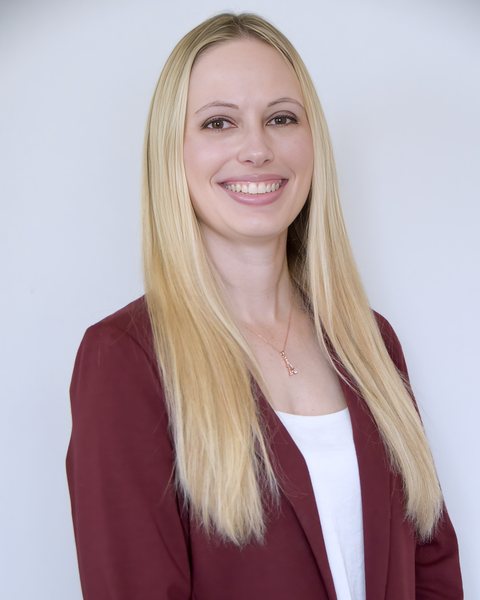
Kari Stark is a certified QuickBooks Online ProAdvisor and the owner of Stark Bookkeeping Solutions, helping small businesses across Tennessee keep clean, accurate books. More about Kari